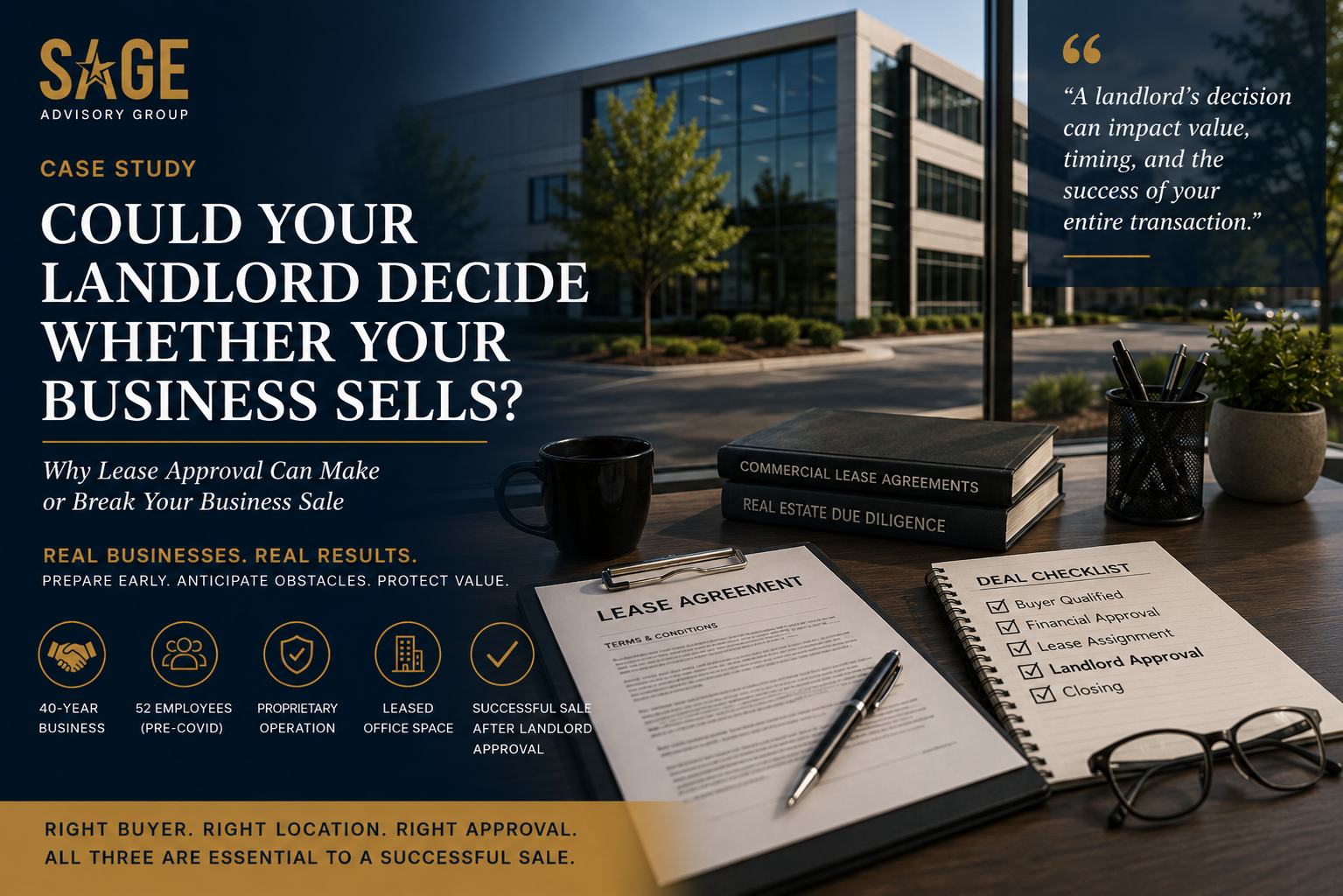
The Hidden Relationship Between Real Estate and Business Value
For many business owners, the commercial property and the operating business have grown together over decades. It's natural to assume that selling both assets together will maximize value.
Sometimes that's exactly the right strategy.
Sometimes it isn't.
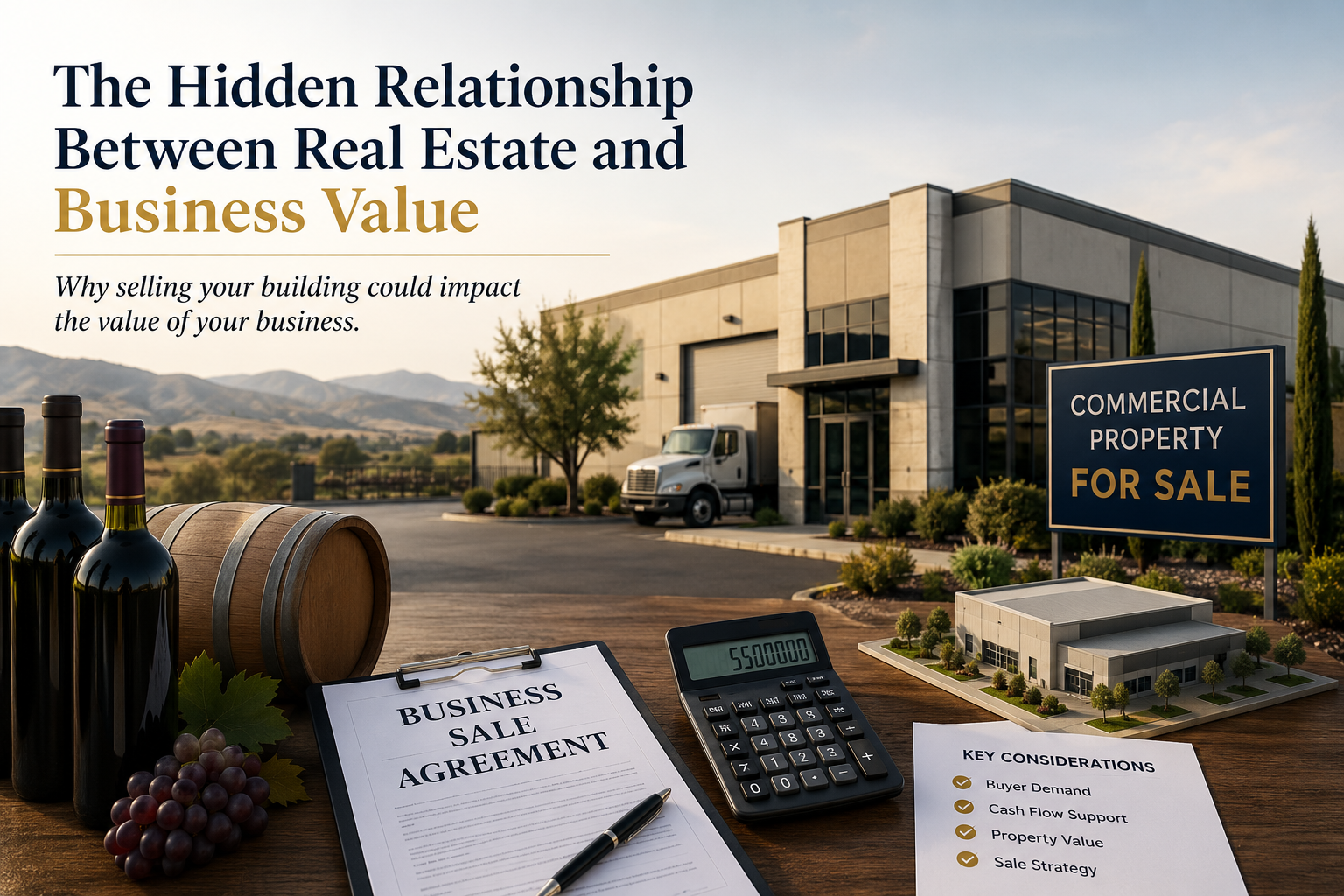
One of the most common misconceptions I encounter is the belief that owning the real estate automatically increases the value of the business. In reality, the relationship between an operating business and its occupied property can significantly influence buyer demand, financing, deal structure, and ultimately, the success of the transaction.
A recent engagement illustrates why.
A Successful Business with Valuable Real Estate
My client owned a specialized wine industry business operating from a 26,000-square-foot temperature-controlled warehouse in Temecula, California. For more than thirty years, the company provided wine bottle labeling, transportation, storage, and logistics services to wineries throughout the region.
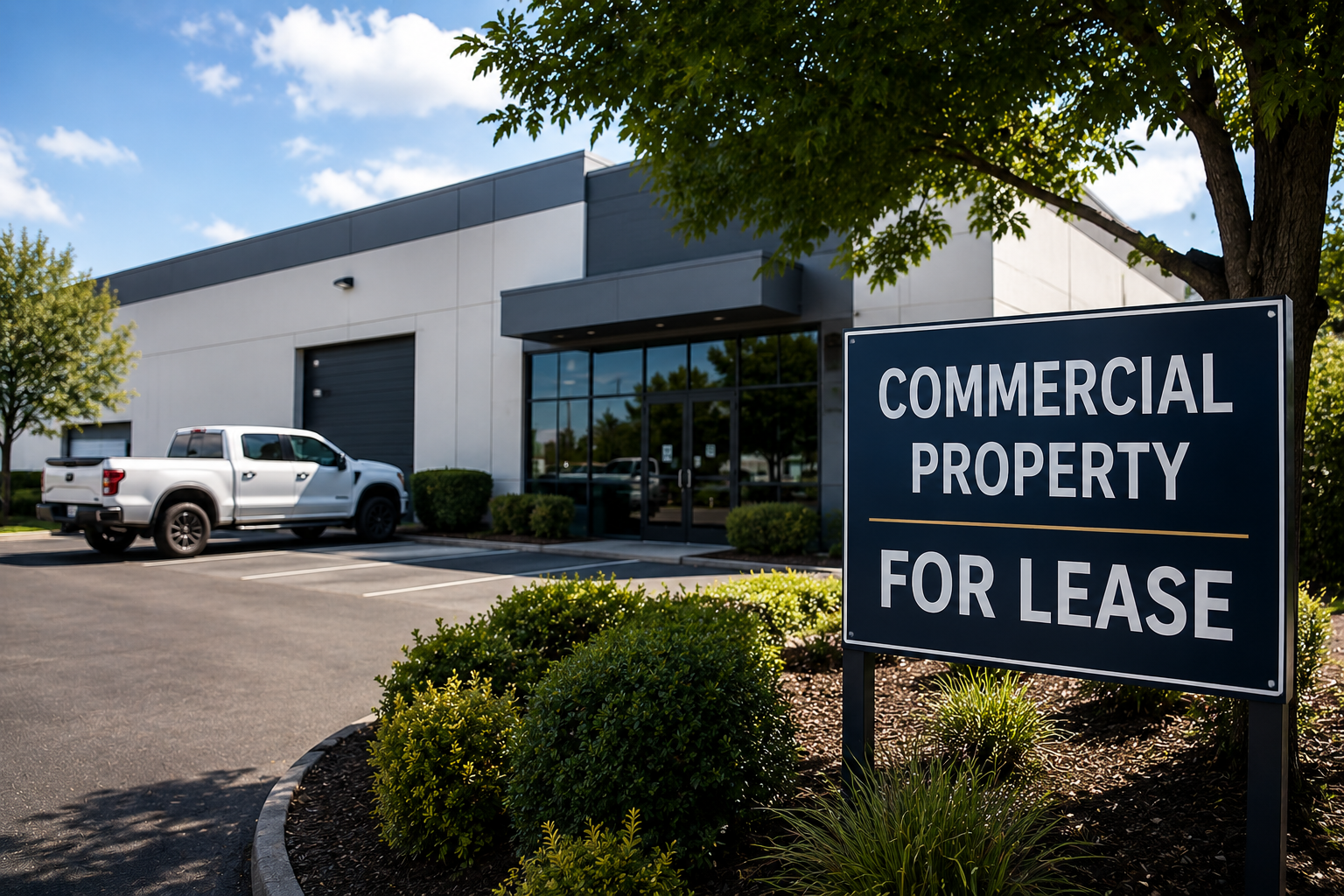
In addition to the business, the owner also owned the commercial property and intended to market both assets as a single acquisition.
At first glance, it appeared to be an ideal opportunity.
The Challenge Buyers Saw
Our objective was to identify a buyer who could acquire both the business and the real estate. As we evaluated the opportunity through the eyes of prospective buyers, however, one important issue became clear. While the commercial property carried substantial market value, the operating cash flow of the business could not adequately support both the purchase of the business and the acquisition of the real estate under conventional investment metrics.
The business itself was profitable and well established. The challenge wasn't the quality of the operation—it was the financial relationship between the business and the underlying property. For many qualified buyers, the combined investment simply exceeded what the business could reasonably justify.
When the Strategy Changed
Ultimately, the commercial property sold to one buyer. The business did not. Once the real estate was no longer available, the business faced an entirely different challenge. A future buyer would now be responsible for locating suitable warehouse space, relocating specialized operations, moving inventory, and maintaining uninterrupted service for existing customers.
What had once been a fully integrated operation suddenly became a relocation project. That additional uncertainty materially reduced buyer interest and, ultimately, the value of the business itself.
The Lesson
Owning your commercial property can absolutely strengthen your overall financial position. It does not automatically strengthen the marketability of your business.
Before deciding whether to market the business and real estate together, business owners should carefully evaluate several important questions:
- Can the business's cash flow support the combined acquisition?
- Would separating the real estate reduce buyer demand?
- Who is the most likely buyer for this opportunity?
- Will the highest value be achieved by marketing the business and real estate together—or independently?
There is no universal answer. The right strategy depends on the relationship between the business, the real estate, the financial performance of the operation, and the buyers most likely to acquire it.
Planning Before Going to Market
One of the most valuable services a business advisor can provide is helping owners evaluate this relationship long before the business is offered for sale. The decisions made during the planning stage often determine whether an owner maximizes value—or unintentionally limits the pool of qualified buyers. Real estate strategy affects valuation.
It affects financing.
It affects buyer confidence.
And in many cases, it determines whether a transaction reaches the closing table.
Final Thoughts
A successful business sale is rarely about the business alone.
The operating company, the occupied real estate, financing structure, buyer qualifications, and timing all work together to influence the outcome.
Understanding these relationships before going to market allows owners to make informed decisions that protect both enterprise value and personal legacy.
If you're considering selling your business in the next one to five years, now is the time to evaluate not only what your business is worth, but how your real estate strategy may influence the success of your exit.
Your legacy deserves the right buyer—and the right strategy.
Schedule a Confidential Consultation