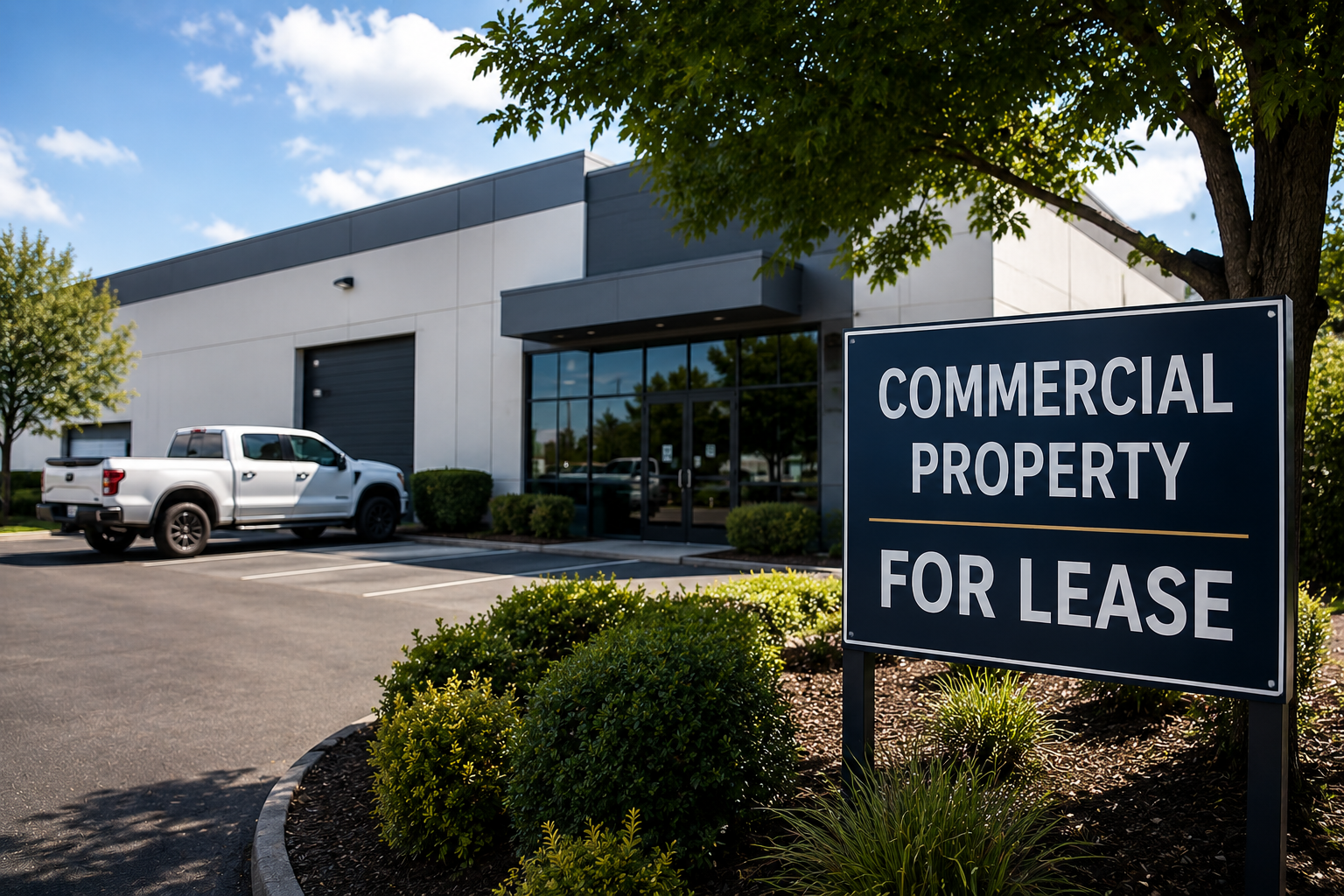
Anatomy of a Successful Exit: How a Burned-Out Electrical Contractor Walked Away with $1,275,000—On His Own Terms
Every successful business sale has a story. This case study illustrates how preparation, positioning, and strategic buyer outreach resulted in a successful exit for an industrial electrical contractor.

For many business owners, selling a business is not simply a financial transaction. It is the culmination of years of sacrifice, long hours, calculated risks, and personal investment. A successful exit is about more than receiving the highest possible purchase price—it is about transitioning your life's work into capable hands while preserving the value you have built.
This case study illustrates how a well-positioned industrial electrical contractor achieved a successful exit through strategic preparation, disciplined marketing, and a structured sale process.
The Business
Over a ten-year period, the owner built a respected industrial electrical contracting company specializing in EV charging station installations, efficiency lighting, and commercial electrical services throughout Southern California.
The business had earned contracts with nationally recognized companies including Shell, Hertz, Rivian, Southern California Edison, Trader Joe's, Best Buy, and Lowe's. At the time of sale, the company was managing as many as forty active projects simultaneously while employing twenty-five field technicians. Monthly payroll exceeded $103,000, reflecting both the size and operational capacity of the business.
Financially, the company demonstrated strong performance:
- Annual Revenue: $3,287,686
- Seller's Earnings: $586,245
- List Price: $1,350,000
- Final Sale Price: $1,275,000
- Earnings Multiple: 2.18x
Why the Owner Decided to Sell
Successful exits are often motivated by life rather than finances.
After years of overseeing daily operations, managing employees, maintaining client relationships, negotiating contracts, sourcing materials, and supervising hiring, the owner reached a point where the business depended heavily on his direct involvement. The long hours had taken their toll.
With the support of his wife, the decision was made to pursue a sale while they were still healthy enough to enjoy the next chapter of their lives. Their goal was not merely to retire—it was to regain the freedom that entrepreneurship had gradually consumed.
Challenges That Could Have Reduced Value
Every business presents challenges, and sophisticated buyers evaluate both strengths and risks.
In this transaction, several factors required careful positioning:
- Aging inventory that included obsolete materials.
- Fleet vehicles with significant mileage and heavy commercial use.
- A business that relied heavily on the owner's relationships and expertise.
- California licensing requirements that limited the pool of qualified buyers.
- An industrial facility that was functional but not visually impressive.
These issues were real. However, they did not define the business. Experienced buyers evaluate future cash flow, customer relationships, market position, and opportunities for growth—not simply a list of operational challenges.
Looking Beyond the Challenges
One of the most important aspects of business brokerage is helping buyers recognize opportunities that extend beyond current operations.
This company had established trusted relationships with commercial clients who required ongoing electrical services. Those relationships created natural expansion opportunities into additional service lines, including laser docking systems and commercial solar installation and maintenance.
For the right buyer, the acquisition represented more than existing revenue—it provided a platform for future growth.
A Disciplined Sale Process
A successful transaction rarely occurs because a listing is simply placed online.
Instead, it results from preparation, confidentiality, qualified marketing, and careful buyer management.
For this transaction:
- 191 buyer inquiries were generated.
- 116 qualified buyers executed Non-Disclosure Agreements.
- 253 due diligence documents were organized in a secure data room.
- The business remained confidential throughout the process.
- The buyer completed more than five months of due diligence before closing.
This level of preparation enabled serious buyers to evaluate the business with confidence while allowing the seller to continue operating the company without unnecessary disruption.
Finding the Right Buyer
Not every buyer is the right buyer. In this case, the successful purchaser was an international publicly traded electrical equipment company seeking a strategic acquisition. The buyer recognized the company's established customer relationships, experienced workforce, and reputation within the marketplace. Rather than focusing solely on the business's operational challenges, the buyer saw long-term strategic value.
The transaction closed as a cash asset sale for $1,275,000, with the industrial facility transferred through a lease assignment. Assets included work trucks, equipment, inventory, and operational assets necessary for continued operations.
Lessons for Business Owners
Owners often believe that certain imperfections make their businesses unsellable. In reality, nearly every business has areas that require explanation or improvement. What matters is understanding how to position those factors within the broader story of the business.
A well-prepared business demonstrates:
- Consistent financial performance.
- Organized records.
- Reliable operational systems.
- Identifiable growth opportunities.
- A professional due diligence process.
- Confidential and targeted marketing to qualified buyers.
Preparation creates confidence, and confidence creates value.
The Value of Professional Representation
Selling a business involves much more than identifying a buyer. It requires developing a clear market position, maintaining confidentiality, qualifying prospective purchasers, managing due diligence, negotiating terms, coordinating advisors, and guiding both parties through closing. Each stage influences the final outcome.
Business owners typically sell only one company during their lifetime. Professional representation helps ensure that the years invested in building that business are reflected in the value ultimately realized.
Final Thoughts
Every successful exit begins long before the business goes on the market. The businesses that achieve the strongest outcomes are typically those that prepare early, understand their value, and position themselves to attract qualified buyers.
The most successful exits occur when a business is presented honestly, prepared thoroughly, and marketed strategically to buyers who understand its value. This transaction demonstrates that even businesses with operational complexities can achieve outstanding results when preparation, positioning, and disciplined execution come together.
Whether you're planning to sell in six months or five years, the decisions you make today can significantly influence the value of your business tomorrow.
Schedule a Confidential Consultation.